How can we take a practical and prophetic role to challenging poverty in our neighbourhoods?
Date Posted: Jan 28, 2026.
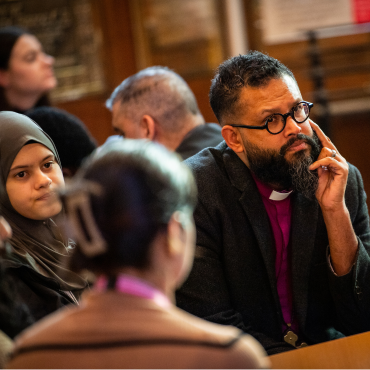
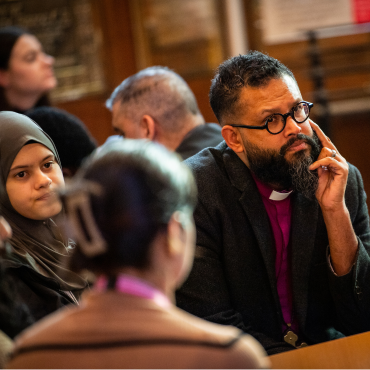
Father Alex Frost, Vicar St Matthew’s Church, Burnley and a General Synod member, shares his experience at both the local and national level.
Jesus as a social reformer
I am a priest driven by matters of poverty and social injustice, not because it’s a hobby or nice thing to do but because it comes from a request by Jesus. The scriptures are littered of examples where this is so. The Gospels present Jesus not only as a spiritual leader but also as a social reformer deeply committed to justice. His ministry to the marginalized, the parables emphasizing compassionate action, his challenge to economic injustices, and his vision of an inclusive Kingdom of God collectively paint a powerful picture of social justice.
However, for me "Blessed are those who are persecuted for righteousness' sake, for theirs is the kingdom of heaven." - Matthew 5:10 is my driving force and my guiding light.
This final beatitude encapsulates the courage required to pursue social justice, reminding us that the quest for justice is integral to the spiritual journey.
‘But let justice roll down like waters’ Amos 5:24
Christians do many things extremely well, be it Holy Communion, bake scones or cakes, pray, or even run a foodbank or pantry. That is because we are called by Jesus into service. However, my challenge is what can we do that digs a little deeper, that irritates others into action and brings about change and says something else of what Jesus might be asking from us?
As a member of Church of England General Synod, I was able to present a Private Member’s Motion in February 2025 calling for a national strategy on vocations for people from a working class background.
Father Alex will share his Synod reflections on how the Church can take a practical and prophetic role in ending poverty at a free webinar in February.
General Synod: How the Church tackles poverty is on Thursday 26th February, 7-8pm
I was inundated by working class Christians getting in touch, grateful their voice had been heard and the challenges they had faced or were facing had been identified. The real reward wasn’t my face in the Church Times, but in the strategy the Church has brought back to the General Synod in 2026. It’s early days for the strategy but I’m encouraged that voices have been heard and change is coming. It has been recognized by the church we are too middle class and exclusively unexclusive. In the coming years this strategy should see more and more people from the margins leading churches or activities because their background is a strength and asset, and not a hindrance or problem to solve.
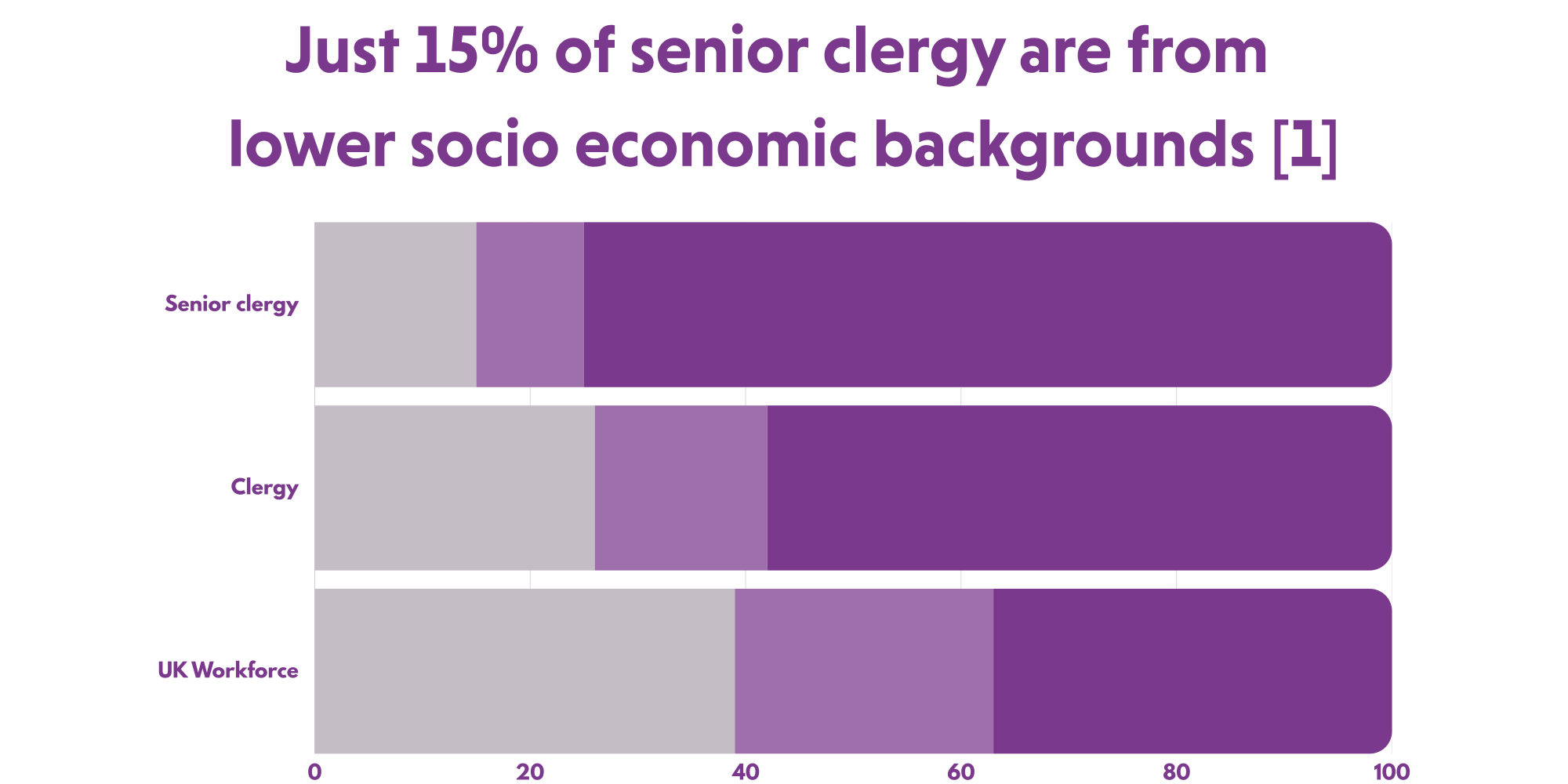
What does it look like for a church that lives and deals with poverty on a daily basis?
I always say to people the church should be at the front of the curve regarding matters of social injustice.
One area of concern in my parish has always been addiction, be it gambling, alcohol or drugs. In my context the issue has usually been connected to adults, but in 2024 I was drawn into the dark and deeply concerning matter of drug addiction in children. In a context where little surprised me, ketamine was about to drag me into a dark world of social injustice and negligence. A world that, to this point in time, has only become more of a concern.
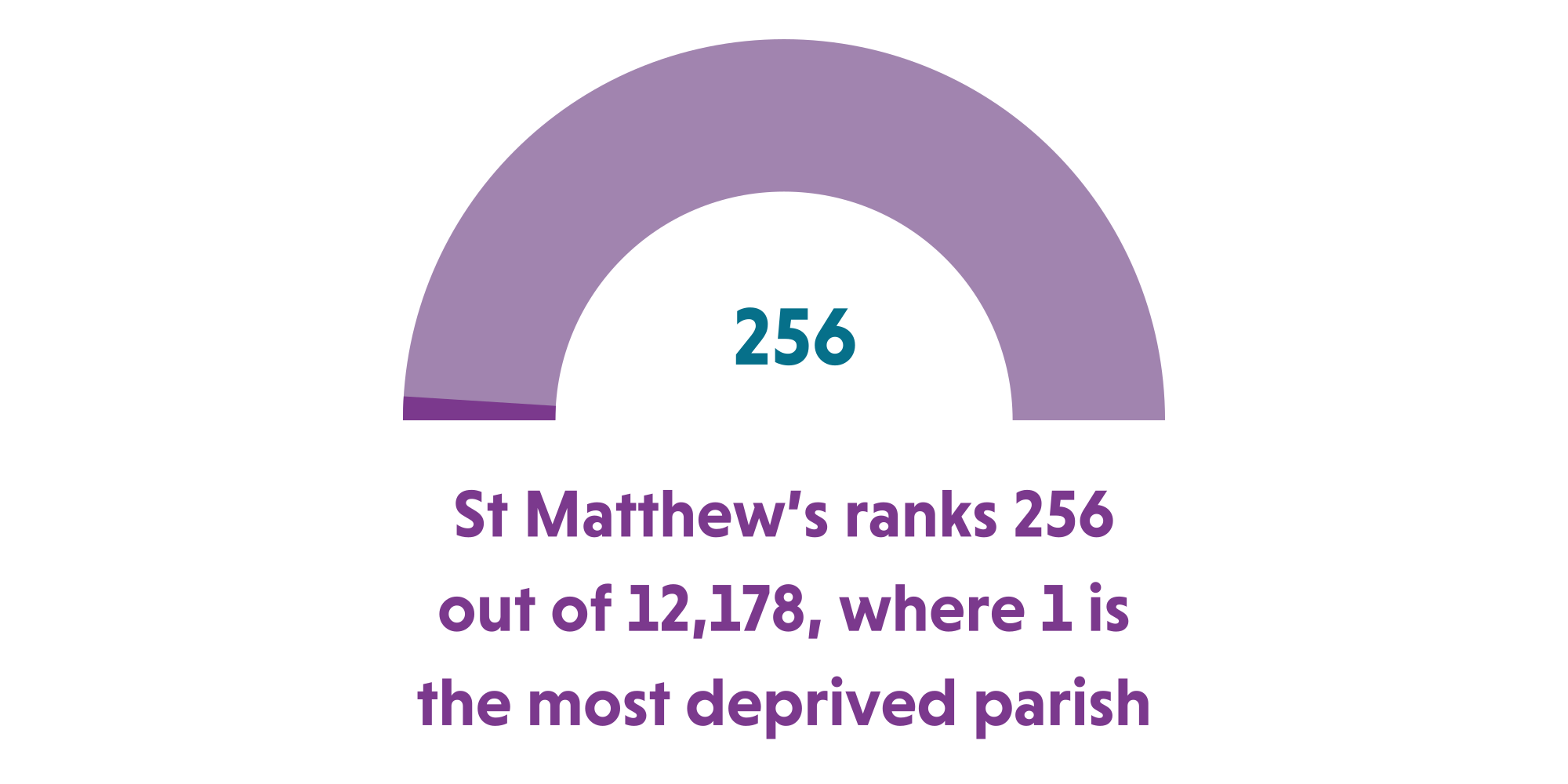
When no one is listening
A young mum explained to me how her 15-year-old son had become involved in the world of ketamine, as a user, as a dealer, as an addict. She explained that his behaviour had become violent towards her, to his family and to those around him. I enquired what support she was receiving, and she replied, ‘Nothing’!
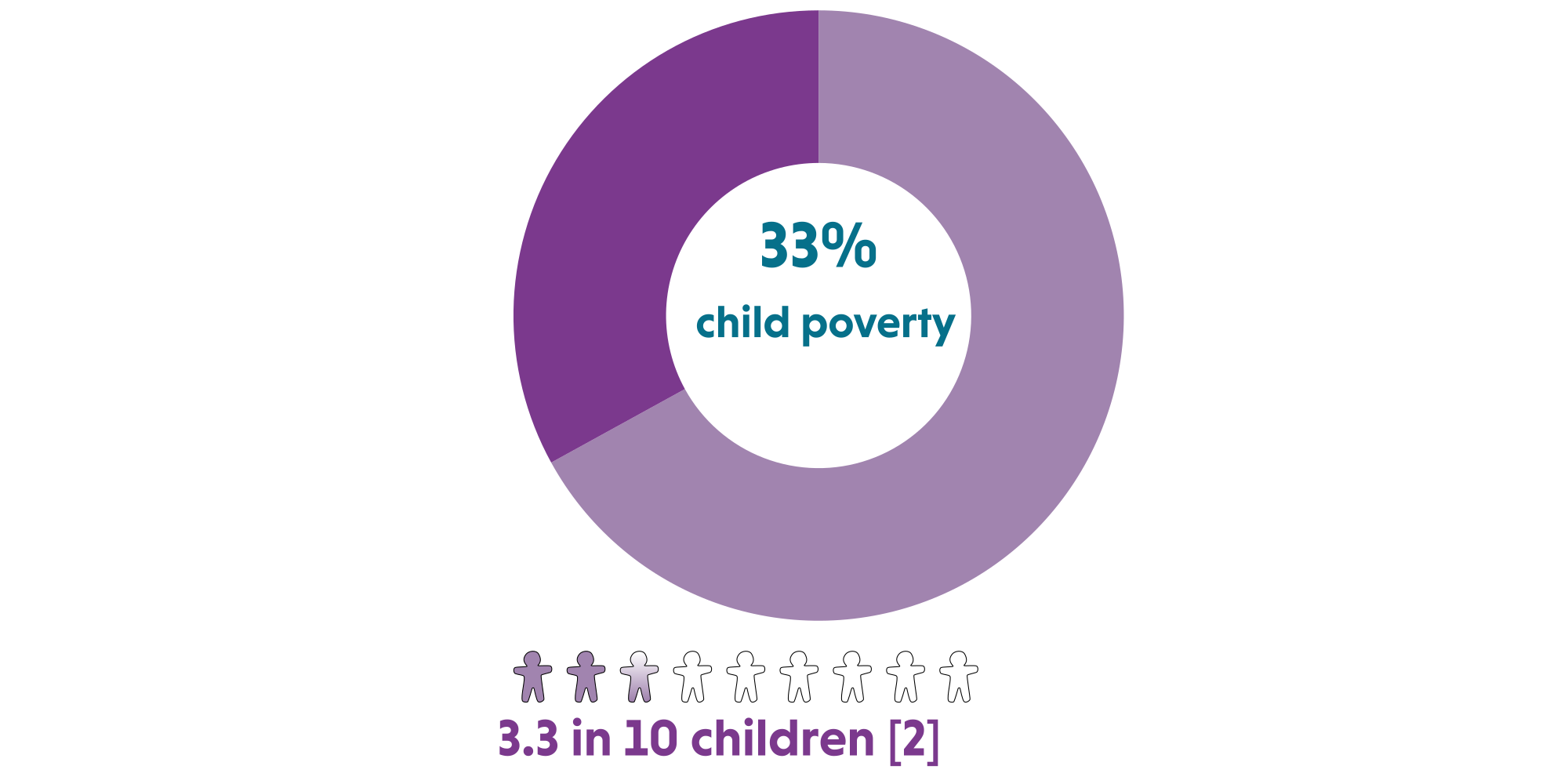
This lady was clearly at the end of her tether. She was raising issues of abuse, addiction, exploitation and violence. Issues that, in my mind, needed intervention either by the police or social services. Enquiring further it was clear those services were not being provided, with professionals confiding in me that resource and people were simply not available.
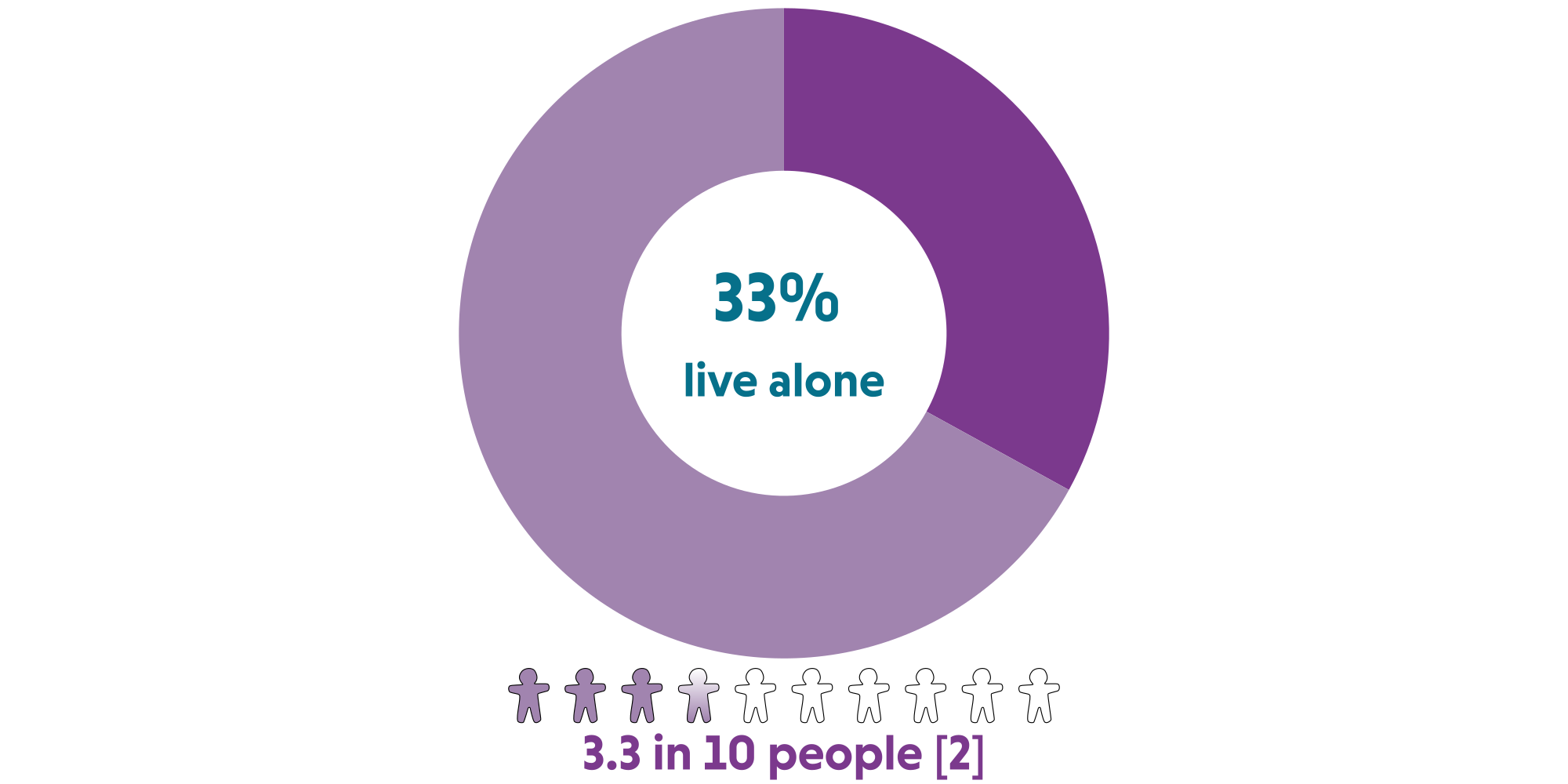
As the story grew, so did the sickening accounts of ketamine abuse. A 16-year boy dying in three feet of water in Burnley. The death of a vibrant daughter in Lincolnshire. A young man forced to undergo gruelling medical treatment for what’s known as “ketamine bladder.” Stories from across the country exposing the complete lack of awareness and care for thousands of vulnerable young people.
Behind every number is a real person, a story, and a community need
Between April 2024 and March 2025 there was a rise in the number of young people in treatment, aged 17 and under, reporting problems with ketamine.
2021/22: 512 (5%)
2024/25: 1,465 (9%)
Which means more children reported problems with ketamine than with ecstasy for the first time. [3]
These deeply moving accounts drove me to call for the reclassification of ketamine from a Class B drug to Class A. It led to a week of raids in Burnley, to financial support from media personalities, to interviews on national news and Good Morning Britain.
Ultimately it led to a seat at a government consultation on this highly addictive and extremely dangerous drug. People were and are listening, and that is because the church spoke out. There remains much to do, but the voice of the church has been heard, and the dangers of ketamine have been exposed.
By a Christ-centred witness change can be affected, and I hope this example is an encouragement to you.
The teachings of Jesus are utterly inclusive, his teachings overturn injustice, they challenge hierarchies and justice prevails.
In the Beatitudes (Matthew 5:3-12), Jesus blesses the poor in spirit, those who mourn, the meek, and those who hunger and thirst for righteousness, promising them comfort and fulfilment. These blessings demonstrate a preference for the humble and downtrodden, the addicts, the working class.
Moreover, Jesus' inclusive approach can be seen in his interactions across societal boundaries. He engaged with everyone, women, Samaritans, and Gentiles, nobody was a stranger to him. He broke the rigid purity laws and social conventions of His time. His conversation with the Samaritan woman at the well (John 4:1-42) is a prime example of his boundary-breaking message of love and inclusion.
Matthew 5:3-12
3 “Blessed are the poor in spirit,
for theirs is the kingdom of heaven.
4 Blessed are those who mourn,
for they will be comforted.
5 Blessed are the meek,
for they will inherit the earth.
6 Blessed are those who hunger and thirst for righteousness,
for they will be filled.
7 Blessed are the merciful,
for they will be shown mercy.
8 Blessed are the pure in heart,
for they will see God.
9 Blessed are the peacemakers,
for they will be called children of God.
10 Blessed are those who are persecuted because of righteousness,
for theirs is the kingdom of heaven.
11 “Blessed are you when people insult you, persecute you and falsely say all kinds of evil against you because of me. 12 Rejoice and be glad, because great is your reward in heaven, for in the same way they persecuted the prophets who were before you.
Father Alex Frost, Vicar, St Matthew’s Church, Burnley, and General Synod memberAnd so may you be bold and brave to walk in his footsteps as you fight injustice, and as you do so be assured of my prayers.
Shine & Grow
Tools and resources for your journey from insight to impact, helping you transform communities for lasting change
References
[1] Source, SEB data.
Ref: Church of England, page 9: https://www.churchofengland.org/sites/default/files/2026-01/gs-2435-working-class-vocation-and-mini…
[2] Source, IMD 2019
Burnley (Habergham Eaves): St Matthew the Apostle, Diocese of Blackburn https://cuf.org.uk/parish/530062
[3] Children's substance misuse treatment statistics 2024 to 2025: report www.gov.uk